23 September 2026
What to Know About Residential Drain Cleaning Tacoma Before Problems Escalate
Presented by @israelikzs325
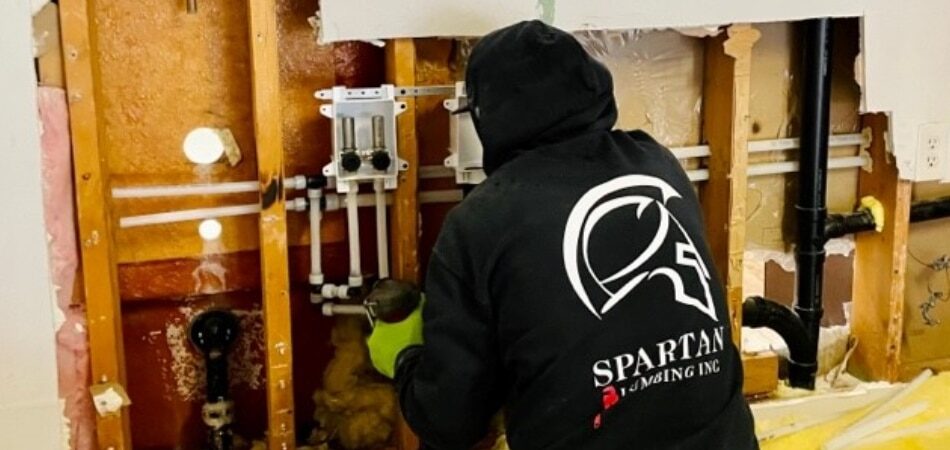

A slow drain rarely stays slow for long. In a Tacoma home, that minor annoyance at the kitchen sink or tub can become a full blockage, a sewer odor, or water backing up where it absolutely should not. People often wait because the problem seems manageable. They reach for a bottle from the hardware store, run hot water, or try to work around it for another week. Sometimes that buys a little time. More often, it lets the clog settle in, spread farther down the line, or point to a larger issue that is getting more expensive by the day.
That is why Residential Drain Cleaning Tacoma is not just a maintenance service. It is often the dividing line between a repair that stays simple and one that turns into a damaged pipe, a flooded crawl space, or a call made too late on a wet weekend.
Tacoma presents its own set of drain challenges. The age of many homes matters. So does the climate, the tree cover, and the mix of original plumbing materials still found in older neighborhoods. Newer construction has its own vulnerabilities too, especially when builders, remodelers, and homeowners assume modern piping means trouble-free drainage forever. It does not.
Why Tacoma homes see recurring drain problems
Drain issues are never just about what went down the sink last night. They build over time. In Tacoma, many homes sit in neighborhoods where sewer laterals and interior drain systems have been working for decades. Cast iron, galvanized steel, Orangeburg in some older lines, and aging clay sewer sections all behave differently as they wear. Some corrode from the inside out. Some catch debris at rough joints. Some crack under root pressure or shift with soil movement.
Then there is the weather. Tacoma’s long wet season does not directly clog a kitchen drain, but it does reveal weaknesses in a system. Saturated ground can stress compromised sewer lines. Heavy rains can expose partial blockages that stayed hidden during drier periods. If a line already has grease buildup or root intrusion, periods of high use and wet conditions can make the backup show up faster and in more dramatic fashion.
Tree roots deserve special mention because homeowners often underestimate them. Roots do not invade a healthy, perfectly sealed pipe out of spite. They are responding to moisture and nutrients. A tiny crack, a separated joint, or an older porous material can attract them. Once they enter, they expand, trap paper and waste, and reduce flow in stages. Many people describe the early symptom the same way: the toilet still flushes, but not quite with the same confidence as before. That small change matters.
Inside the house, habits add to the problem. Kitchens collect grease, soap residue, starches, coffee grounds, and food particles. Bathrooms deal with hair, toothpaste, skin oils, and products marketed as flushable that should not be flushed at all. Laundry drains take on lint and detergent residue. None of this sounds dramatic in isolation. After months or years, it forms a thick lining that narrows the pipe and slows everything behind it.
The early warnings that are easy to dismiss
Most serious drain problems announce themselves long before a complete stoppage. The difficulty is that homeowners get used to gradual decline. A shower that takes an extra minute to clear does not trigger panic. A toilet that bubbles once and behaves normally the next day feels easy to ignore. By the time water appears at the base of a floor drain or backs up into a lower fixture, the warning period has usually passed.
One of the most useful things a homeowner can do is pay attention to patterns rather than isolated incidents. If one sink runs slowly, the issue may be local to that fixture. If multiple fixtures on the same floor start draining poorly, the problem may be farther down the branch line. If the tub gurgles when the toilet flushes, or the lowest drain in the house shows water first, that often points toward a larger main line restriction.
Odors matter too. A musty smell under a sink can be a venting or leak issue, but a persistent sewer odor near a drain often suggests waste is not moving out cleanly. You may also hear more than usual. Gurgling, bubbling, and sucking noises can mean air is being displaced improperly because water is fighting its way past an obstruction.
Experience says homeowners tend to delay service for three reasons. They think chemical cleaners will handle it, they assume all drain cleaning is a simple five-minute snake job, or they worry a plumber will recommend a major repair immediately. The truth is more nuanced. Many drain problems are very manageable when diagnosed early. Waiting is what tends to raise the stakes.
What professional drain cleaning actually involves
A proper residential drain cleaning visit is not just about spinning a cable until water disappears. Good service starts with identifying which line is affected, how severe the blockage is, and whether the issue is a one-time accumulation or a symptom of a damaged pipe.
A local fixture clog, such as a bathroom sink blocked with hair and soap, may be resolved with a targeted auger and trap cleaning. A kitchen line loaded with grease often needs more thorough mechanical cleaning because grease can smear and re-form if it is only punched through. Main line problems are different. If roots, scale, or a collapsed section are involved, the method matters a lot.
Drain snaking has its place. It is effective at opening many clogs and restoring short-term flow. But snaking is not the same as fully cleaning a pipe. Think of it as creating a path through the blockage. In some cases, that is enough. In others, especially when grease or heavy scale coats the walls of the line, the pipe may still be narrowed significantly after the water starts moving again.
Hydro jetting is often discussed because it can scour pipe walls much more thoroughly. It uses high-pressure water to cut through buildup and flush debris out of the line. It is extremely effective in the right conditions, particularly for grease, sludge, and recurring organic buildup. It is not automatically appropriate for every pipe, though. Older or fragile lines may need inspection before high-pressure cleaning is used. That judgment call is where experience matters.
Camera inspections are another important tool, especially when problems recur or when a main line blockage suggests structural issues. A camera can reveal root intrusion, offset joints, standing water, cracks, bellies in the line, or materials nearing end of life. Homeowners sometimes hesitate at the added cost of a camera inspection, but it often saves money by preventing guesswork. If a clog comes back every few months, there is usually a reason deeper than bad luck.
The trouble with store-bought drain cleaners
Many people try chemical drain cleaners before calling for help. That is understandable. They are inexpensive, widely available, and marketed as quick fixes. The problem is that they often do less than the label implies, especially for substantial clogs. They may eat through part of the obstruction, create heat, and leave behind a harsher environment inside the pipe without removing the underlying buildup.
In older plumbing systems, repeated chemical use can be especially hard on materials and joints. Even when the cleaner does not damage the pipe itself, it can create a safety issue for whoever opens the drain next. A plumber working on a trap or cable machine does not want caustic liquid splashing back. Neither does a homeowner attempting a second round of DIY clearing.
There is also a practical issue. If the drain opens slightly, people assume the problem is solved. What often happened is that the chemical bored a narrow channel through a larger mass. Water drains for a while, solids catch again, and the line plugs harder than before. That pattern is common in kitchen sinks and bathtub drains.
A plunger, a zip tool for hair, or careful trap cleaning can be reasonable first steps for a simple fixture issue. Once multiple drains are involved, sewer odors appear, or backups recur, DIY methods usually become a delay tactic rather than a solution.
How Tacoma homeowners can tell the difference between a local clog and a main line problem
This is one of the most important distinctions in Residential Drain Cleaning Tacoma, because it shapes urgency and cost. A local clog affects one fixture or one small group of fixtures. A main line issue affects the system farther downstream, which means wastewater from several fixtures may have nowhere to go.
If the upstairs bathroom sink is slow but the toilet, shower, and kitchen sink are fine, the issue is likely local. If flushing one toilet causes water to rise in a nearby tub, that points toward a shared branch or main drain issue. If the lowest shower or basement drain backs up first, the main line becomes a stronger suspect because water is finding the lowest available opening.
Homes with lower-level bathrooms, utility sinks, or floor drains tend to reveal main line trouble earlier than slab homes without those fixtures. That can feel like bad luck, but it is actually useful. The backup is showing you where the system is struggling before the entire house is affected.
A brief rule of thumb helps here:
- One fixture acting up usually means a local clog.
- Several fixtures draining poorly suggests a branch or main line issue.
- Water showing up in the lowest drain in the home often points to the main sewer line.
- Gurgling after toilet flushing can indicate restricted flow or venting trouble.
- Repeated backups after temporary clearing call for inspection, not another quick fix.
Those signs are not a substitute for diagnosis, but they help homeowners know when not to wait.
Older homes, newer homes, and what changes between them
Older Tacoma homes often have the most character and the most plumbing surprises. It is not unusual to find a mix of materials from different eras, especially after partial remodels. A cast iron stack might connect to newer PVC sections. Galvanized branches may still feed older fixtures. Cleanouts may be missing, buried, or poorly located. Every one of those details affects how a drain cleaning job is approached.
Cast iron, for example, can build heavy internal scale as it ages. A line may still be structurally intact but severely narrowed. A cable can open it, but recurring slow drainage may continue until the scale is addressed more thoroughly. Galvanized piping can collect buildup in ways that make symptoms feel random. One day the sink drains fine, the next it slows dramatically because loosened debris shifted and caught in a narrower section.
Newer homes usually avoid those material issues, but they are not immune. Modern kitchens produce a lot of grease and food waste, especially where garbage disposals encourage people to put more into the sink than they should. New bathrooms still collect hair and product residue. Sewer lines can still suffer from poor installation, settlement, or root intrusion if landscaping and layout create the right conditions.
The key difference is that newer systems often respond well to cleaning before structural repairs enter the conversation. In older homes, cleaning may restore function while also revealing whether a repair plan should be on the horizon.
What a service visit should feel like
Homeowners often have no idea what a good drain cleaning appointment looks like, and that uncertainty makes it easier to accept rushed or incomplete work. A professional should ask questions about the pattern of symptoms, not just the clogged fixture in front of them. They should want to know what drains slowly, what backs up, how long it has been happening, and whether it has happened before.
From there, the work should match the problem. If a simple bathroom sink trap is Residential Drain Cleaning Tacoma full of hair, the answer should not jump straight to expensive line work. If the entire home is showing signs of restricted drainage, a technician should not pretend a five-minute cable pass guarantees the problem is solved.
Homeowners should Residential Drain Cleaning Tacoma expect an explanation of what was found, what was done, and what the likely next step is if symptoms return. Sometimes the recommendation is straightforward maintenance. Sometimes it is a camera inspection to verify the condition of the line. Sometimes it is a conversation about repair options because cleaning alone will not fix a broken pipe. Clear judgment is the value, not just the machine being used.
Preventing the call you do not want to make at midnight
Good drain habits are boring, which is exactly why they work. Most residential drain emergencies come from ordinary neglect, not bizarre accidents. A household that pays a little attention can avoid many of the after-hours backups that turn a routine service call into an urgent one.
What helps most is consistency. Keep grease out of the kitchen drain, even if it goes down warm. Use strainers where hair is a constant issue. Be skeptical of anything labeled flushable unless it is ordinary toilet paper. If the home has mature trees and an older sewer lateral, periodic inspection and maintenance can make far more sense than waiting for roots to announce themselves during a holiday gathering.
The other preventive step is acting early. If you notice a change in how a drain behaves, you do not need to panic, but you should not normalize it. A line that was fast for years and now drains slowly is telling you something. Systems do not usually recover on their own.
A few preventive habits go a long way:
- Scrape food waste into the trash or compost before rinsing dishes.
- Let grease cool and dispose of it outside the drain system.
- Clear hair from shower and tub strainers regularly.
- Avoid flushing wipes, paper towels, and hygiene products.
- Schedule inspection or maintenance if an older line has a history of roots or backups.
None of that is glamorous, but it is cheaper than cleanup.
When drain cleaning becomes an emergency
Not every clog needs same-day service, but some absolutely do. If sewage is backing up into the home, if multiple fixtures are unusable, or if water is overflowing onto finished floors, time matters. The cost of cleanup can quickly exceed the cost of the plumbing work itself. Hardwood floors, cabinetry, drywall, and stored belongings do not care whether the original cause was “just a clog.”
Lower-level showers and tubs often become the first overflow point in a main line backup. If that happens, stop using water in the house as much as possible until the problem is assessed. Continuing to flush toilets or run sinks can drive more water to the same blocked line. I have seen homeowners make a bad situation much worse simply because they hoped one more flush would clear it. It does not work that way.
Another emergency scenario is a clog tied to repeated sewer odors and signs of leakage in a crawl space or around exterior cleanouts. That can indicate not just restriction, but failure in the line. At that point, cleaning may be only part of the answer.
Cost, value, and the mistake of choosing on price alone
Drain cleaning prices vary because drain problems vary. A simple local clog is not comparable to a root-packed main line that needs mechanical cleaning and camera verification. Homeowners understandably want a number over the phone, but the honest answer is often a range until the problem is seen.
The cheapest service is not always the least expensive outcome. A bargain call that opens the line for two days without identifying roots, scale, or a broken section can lead to a second charge, a mess in the house, and still no real answer. On the other hand, not every clog needs premium-level intervention. The right value comes from matching the method to the condition of the line.
Ask what is included. Does the service cover clearing the line only, or also testing flow and checking for recurrence? Is a camera inspection available if the clog appears to be caused by roots or a structural defect? Will the technician explain whether the result is a short-term reopening or a more complete cleaning? Those details matter more than a rock-bottom starting price.
What to remember before the problem gets worse
Drain systems fail in predictable ways, even if the timing feels inconvenient. Slow drainage, recurring clogs, odors, gurgling, and lower-level backups are not random household quirks. They are early signs that water is losing its path out of the home.
For Tacoma homeowners, the smartest move is not waiting for certainty. You do not need a dramatic backup to justify having a drain assessed. In fact, the best time to address a drain problem is usually when it is still annoying rather than destructive. Residential Drain Cleaning Tacoma becomes far more manageable, and far less disruptive, when the issue is caught at that stage.
A clean, freely flowing drain is easy to take for granted. A clogged one has a way of taking over the entire day. Acting early is what keeps it from taking over the house.
Spartan Plumbing Services
Address: 760 107th St S, Tacoma, WA 98444
Phone number: +12534998773
FAQ About Residential Drain Cleaning Tacoma
How much does it cost to have someone clean your drains?
Professional drain cleaning costs between $147 and $352 on average, with most homeowners paying around $246. The final price is heavily determined by the type of drain affected, the clearing method needed, and your geographic location.
How much does it cost to clean a drain line?
Professional drain cleaning costs between $147 and $352 on average, with most standard residential jobs landing right around $246. However, your final bill can scale from $100 to over $800 depending entirely on which drain is clogged and the method required to clear it.
Is professional drain cleaning worth it?
Yes, professional drain cleaning is worth it because it clears deep buildup and prevents expensive plumbing emergencies.