23 September 2026
The Complete Guide to Residential Drain Cleaning Tacoma Families Can Rely On
Presented by @israelikzs325

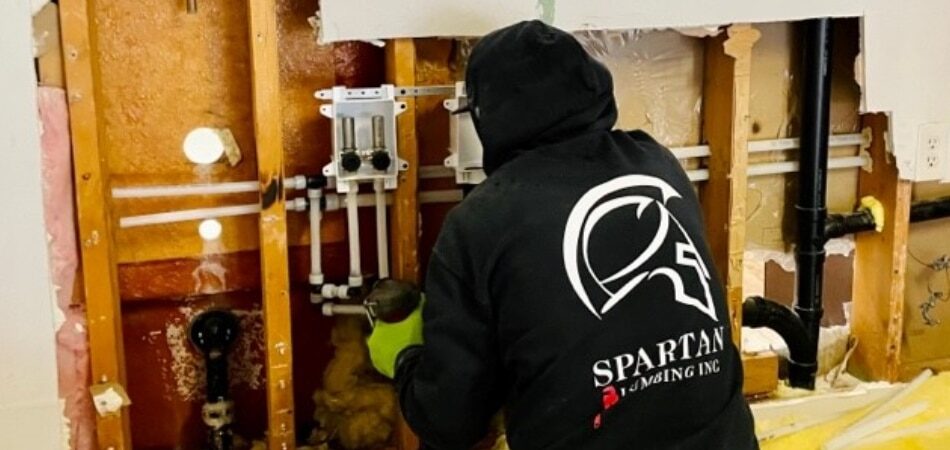
A slow drain is easy to ignore until it stops being a nuisance and becomes the thing that derails your whole day. A kitchen sink that takes ten minutes to empty, a shower that leaves you ankle-deep in gray water, a toilet that gurgles every time the washing machine runs, these are not isolated annoyances. They are early warnings. In homes across Tacoma, drain issues often build quietly, then show up all at once during a busy weekday morning or on a rainy weekend when you already have enough to manage.
Residential drain cleaning Tacoma homeowners can count on is not just about clearing a clog and moving on. It is about understanding why the line backed up, how the home’s plumbing layout affects drainage, what kind of cleaning method fits the problem, and when a quick fix actually makes things worse. Families want the same thing every time, a solution that lasts, a technician who explains what is happening in plain language, and confidence that the problem will not return next month.
Drain systems are deceptively simple from the fixture side. Water goes down, out of sight, and that is the end of it. But behind the walls and beneath the floor, every home has a network of branch lines, traps, vents, cleanouts, and a main sewer line that all need to work together. When even one part of that system starts to struggle, the symptoms can show up in places that seem unrelated. A bathroom sink may drain slowly because of local buildup, while a tub backup in the basement could point to a larger obstruction in the main line.
Why Tacoma homes see their share of drain problems
Tacoma homes cover a wide age range. Some neighborhoods have older houses with original cast iron or clay sewer lines. Others have newer construction with plastic piping that resists corrosion but can still clog from grease, wipes, hair, soap residue, and scale. Older lines often bring a specific set of challenges. Cast iron can develop rough interior surfaces over time, which gives debris more places to catch. Clay pipe joints can shift or allow root intrusion. Even a small offset in the line can become a snag point that traps paper and waste.
The region’s weather plays a part too. Wet ground conditions and mature landscaping can increase the chance of roots finding their way toward sewer lines. Roots are persistent. They do not need a wide opening. A hairline crack or loose joint may be enough to let in moisture, and once roots start growing inside a pipe, they collect tissue and waste surprisingly fast. I have seen lines that ran acceptably for months with a small root intrusion, then fail suddenly after one heavier-use weekend with guests in the house.
Family life is another factor. Large households put more volume through the system, and that alone can expose weaknesses. One long shower after another, laundry cycles back to back, kids flushing too much paper, food scraps rinsed into the kitchen sink, all of that adds up. Drain lines are forgiving until they are not. Once residue builds along the pipe walls, flow capacity starts shrinking long before a complete stoppage occurs.
The difference between a nuisance clog and a system problem
Not every clog deserves the same response. A bathroom sink blocked by hair and toothpaste residue near the stopper is very different from a main sewer line that is backing up multiple fixtures. Knowing the difference helps you decide whether to try a simple cleanup, call for professional Residential Drain Cleaning Tacoma service, or treat the situation as urgent.
A local clog tends to affect one fixture. The bathroom sink drains slowly, but the toilet and tub nearby work normally. The kitchen sink backs up on one side, yet no other drains in the house seem affected. In these cases, the blockage is usually close to the fixture, often in the trap arm or just beyond it. Hair, soap scum, grease, coffee grounds, rice, and small food scraps are common culprits.
A broader system issue usually shows itself across several fixtures. You may hear bubbling in a toilet when the washing machine drains. Water may rise in a shower when a nearby sink empties. A basement drain may show backup first because it is the lowest opening in the system. That pattern often points to a partial blockage in the main drain or sewer line. When this happens, waiting rarely helps. The line can go from sluggish to fully blocked with very little warning.
What professional drain cleaning actually involves
Many homeowners picture drain cleaning as one simple process, but professionals choose from a few different approaches depending on the location, material, and nature of the blockage. A good technician does not reach for the same tool every time. Judgment matters.
A small cable machine or hand auger may be enough for a sink or tub line. These tools can break through soft blockages and pull back hair or compacted debris. For more stubborn buildup, especially in kitchen lines where grease coats the interior walls, a larger drain machine can restore flow more effectively. But restoring flow is not always the same as cleaning the pipe thoroughly.
That is where hydro jetting sometimes comes in. A hydro jet uses high-pressure water to scour the inside of the line. It is especially effective on grease, sludge, soap residue, and finer root material. In the right pipe, it can do a much more complete cleaning than a cable alone. That said, hydro jetting is not automatically the first choice. Older or damaged lines may need inspection first. If a pipe is cracked, collapsed, or badly offset, pressure cleaning may not be appropriate until the line’s condition is known.
Camera inspection has become one of the most useful tools in residential drain work. It answers the question homeowners ask most often after a clog clears, why did this happen? A camera can reveal roots, standing water from poor slope, heavy scaling, breaks, or a recurring grease shelf inside the line. It can also confirm that the cleaning was complete. That matters when a drain has backed up more than once and nobody wants to guess anymore.
The warning signs that should not be ignored
Some drain problems announce themselves loudly. Others whisper for weeks. Families often tell themselves they can live with a slow sink a little longer, but the pipe is still accumulating material during that time. By the time the drain quits entirely, what could have been a straightforward cleaning may become a more disruptive service call.
Here are a few signs that deserve prompt attention:
- Water draining slowly in more than one fixture
- Gurgling sounds from toilets or nearby drains
- Odors coming from sinks, tubs, or floor drains
- Water backing up in the lowest drain in the house
- Recurring clogs in the same fixture despite repeated clearing
That last sign is especially important. A drain that clogs Residential Drain Cleaning Tacoma every few months is usually not unlucky. It is telling you the line was only opened, not fully cleaned, or that there is an underlying defect in the piping.
Why store-bought drain cleaners often disappoint
Chemical drain cleaners sell the promise of speed and simplicity. Pour, wait, flush, done. In practice, they are inconsistent at best and rough on the system at worst. They may soften some organic material in a small sink stoppage, but they do very little for dense grease buildup, solid obstructions, foreign objects, or root intrusion. When they fail, they leave you with standing chemical water in the fixture, which makes the next step messier and less safe for anyone who has to work on it.
There is also the issue of repeated use. Harsh chemicals do not remove the full ring of buildup that causes chronic slow drainage. They often burn a narrow opening through the clog, enough to make the water disappear for a while, but not enough to restore the line properly. The residue that remains on the pipe wall quickly catches more debris. Homeowners sometimes think the clog came back. More often, it never really left.
For older metal piping, heavy chemical use can be especially unhelpful. It will not reverse corrosion or smooth a rough interior. In a home with aging cast iron, the long-term answer is usually better mechanical cleaning, a camera inspection, and a realistic conversation about the condition of the line.
Kitchen drains, bathroom drains, and main lines all fail differently
The kitchen sink is one of the most demanding drains in the house. Grease may go down warm, but it does not stay warm. Once it cools inside the line, it begins clinging to pipe walls and trapping food particles. A family that cooks often can build up a surprising amount of residue over a year, especially if pasta, starchy water, coffee grounds, eggshells, or cooking oils regularly enter the drain. Garbage disposals help with some scraps, but they do not make a pipe immune to buildup. In fact, finely ground food can create a thick paste that coats the line if too little water is used.
Bathroom drains have a different personality. Hair, soap film, and personal care products tend to collect near the top of the line and around stoppers or crossbars. These clogs usually develop gradually. First the water drains a little slower, then a little odor appears, then one day the sink or tub barely clears. Shower drains are often easier to maintain if buildup is removed early. Left alone too long, they can turn into compacted masses that are much tougher to extract.
Main sewer lines are where the stakes rise. A main line backup can affect toilets, tubs, showers, sinks, and floor drains all at once. It can also create sanitation concerns, especially if wastewater comes up in a basement or lower-level shower. Main line issues are more likely to involve roots, line damage, heavy paper accumulation, or a downstream obstruction. These are not the situations for guesswork.
What a good service visit should look like
When families search for Residential Drain Cleaning Tacoma service, they are not only buying equipment time. They are buying diagnosis, judgment, and communication. A solid service visit should start with questions. Which fixtures are affected? When did the problem begin? Has this happened before? Did anything unusual go down the drain? Are there odors, backups, or gurgling sounds? A Residential Drain Cleaning Tacoma tech who listens well can often narrow the likely problem before unloading a machine.
From there, the work should match the symptoms. A simple tub clog should not be treated like a main sewer emergency. On the other hand, multiple fixture backups should not be reduced to a quick sink snaking just because that is where the complaint started. Good plumbers follow the evidence. They test drainage, access the right cleanout if available, and explain what they are seeing as they go.
Homeowners should also expect a clear explanation of what was done. If the line was cabled, was the clog broken through or fully cleaned? If roots were found, how extensive were they? If a camera was used, what did it show? If the line is likely to clog again, that should be said directly. A temporary opening has value in an emergency, but it should not be sold as a permanent fix if it is not one.
The role of camera inspections in avoiding repeat problems
There is a reason so many repeat drain issues come back to the same homes. Without seeing inside the pipe, people make reasonable assumptions that turn out to be wrong. One family may believe paper products are the issue when the real problem is a belly in the line holding wastewater. Another may blame roots when the actual cause is a collapsed section near the street. A third may think a disposal will solve kitchen backups when grease coating is the bigger problem.
A camera inspection changes the conversation from guesswork to evidence. It does not solve every problem by itself, but it tells you what kind of problem you actually have. In homes with recurring stoppages, older sewer lines, or recent backups affecting more than one fixture, it is often the most cost-effective next step because it prevents repeated service calls for the same unresolved defect.
It can also be useful before buying a home, especially in neighborhoods with mature trees and aging sewer infrastructure. Few things sour the excitement of moving in faster than discovering a major sewer issue during the first month of ownership.
Practical habits that reduce clogs without becoming a full-time project
Perfect drain discipline is not realistic in a busy household. People are tired, kids rush, guests do not know your plumbing quirks, and life keeps moving. The goal is not perfection. It is reducing the kind of buildup that turns into expensive service later.
A few habits make an outsized difference:
- Keep grease, oils, and pan drippings out of kitchen drains
- Use simple drain screens where hair buildup is common
- Flush only toilet paper, not wipes or hygiene products
- Run enough water when using the garbage disposal
- Address slow drains early instead of waiting for a full blockage
The first point is the biggest one in many kitchens. Even small amounts of grease, repeated over time, can create thick narrowing inside the pipe. Pouring hot water afterward does not solve the issue nearly as well as people hope.
How often should residential drains be cleaned?
There is no honest one-size-fits-all schedule. Some homes go years with no serious issues. Others benefit from preventative cleaning every year or two. The right interval depends on the age of the plumbing, the number of occupants, previous backup history, tree root exposure, and the habits of the household.
A newer home with modern piping and careful use may not need anything beyond occasional local drain maintenance. An older Tacoma home with a root-prone sewer line and a family of five might need routine main line cleaning before trouble starts. For homes that have already experienced a sewer backup, it is worth asking the technician whether the issue looked like a one-time event or part of a pattern.
Preventative service has real value when it is based on known conditions rather than fear. If a camera found minor root intrusion last year, scheduled cleaning can be a practical way to avoid a future overflow. If the line is in excellent condition, there is no reason to treat every drain as a ticking clock.
When repair matters more than cleaning
Some drain problems are not cleaning problems at all. They are structural problems. A cracked line, a severe belly, a collapsed section, or badly deteriorated cast iron may continue causing trouble no matter how thoroughly the pipe is cleared. In those cases, repeated cleaning starts to become false economy. You pay for relief, but not resolution.
This is where honesty from the service provider matters most. A reputable company should tell you when a line can be maintained and when it is nearing the point where repair or replacement makes more sense. That recommendation should be tied to visible evidence and repeat history, not scare tactics.
The good news is that repair no longer always means tearing up the entire yard. Depending on the exact issue and the layout of the property, there may be spot repair or trenchless options worth discussing. Not every home qualifies, but it is a conversation worth having if the line condition supports it.
Choosing a drain cleaning company with confidence
Tacoma families tend to remember two kinds of service calls, the one that solved the problem cleanly and the one that created more frustration than the clog itself. The difference often comes down to a few basics. Does the company communicate well? Do they ask sensible diagnostic questions? Are they equipped for both clearing and inspecting? Do they explain trade-offs instead of pushing a one-note solution?
Price matters, but it should not be the only filter. The cheapest call is not the best value if it leads to another backup in three weeks. At the same time, the most expensive proposal is not automatically the most thorough. What you want is a company that can separate a simple branch line clog from a system-level issue and recommend the right response without drama.
For families looking for dependable Residential Drain Cleaning Tacoma service, the real goal is peace of mind. You want the kitchen sink to drain like it should, the shower to clear without pooling, the toilets to flush quietly, and the laundry day routine to stay boring. Good drain cleaning helps make a home feel normal again, and that is worth more than it sounds.
A drain problem is rarely just about water moving too slowly through a pipe. It affects schedules, sanitation, comfort, and trust in the home itself. When the work is done well, it restores more than flow. It restores confidence that the system under your floors and behind your walls is doing its job, quietly, reliably, and without demanding your attention every few weeks. That is what families are really looking for, and it is exactly what dependable residential drain service should deliver.
Spartan Plumbing Services
Address: 760 107th St S, Tacoma, WA 98444
Phone number: +12534998773
FAQ About Residential Drain Cleaning Tacoma
How much does it cost to have someone clean your drains?
Professional drain cleaning costs between $147 and $352 on average, with most homeowners paying around $246. The final price is heavily determined by the type of drain affected, the clearing method needed, and your geographic location.
How much does it cost to clean a drain line?
Professional drain cleaning costs between $147 and $352 on average, with most standard residential jobs landing right around $246. However, your final bill can scale from $100 to over $800 depending entirely on which drain is clogged and the method required to clear it.
Is professional drain cleaning worth it?
Yes, professional drain cleaning is worth it because it clears deep buildup and prevents expensive plumbing emergencies.